
Potential Legal Claims Involving Olympus Scopes and Related Infections
Medical scopes play a critical role in healthcare, allowing physicians to diagnose and treat conditions using minimally invasive procedures. However, growing concerns surrounding certain Olympus endoscopic devices have led to litigation involving patients who experienced serious infections and related complications following medical procedures.
Our mass tort attorneys are investigating claims involving Olympus Corporation and the potential transmission of harmful bacteria associated with the use of certain of its reusable medical devices. Individuals who developed severe infections, sepsis, prolonged hospitalizations, or other complications after an endoscopy, bronchoscopy, colonoscopy, or ERCP procedure may have legal options.
If you or a loved one experienced a serious infection after an endoscopic procedure, you may be entitled to pursue compensation.
ATTORNEY ADVERTISING MATERIAL
The principal offices of Cohen Milstein Sellers & Toll LLP are located at 1100 New York Ave. NW, Suite 800, Washington, DC 20005, phone number 202-408-4600; and 88 Pine St., 14th Fl., New York, NY 10005, phone number 212-838-7797. The attorneys investigating this matter are Geoffrey Graber (admitted only in CA and DC) and Leslie Mitchell Kroeger (admitted only in FL). If you have already retained a lawyer for this matter, please disregard this communication. Any statement does not constitute a guarantee, warranty, or prediction regarding the outcome of your legal matter. This website is not legal advice, and contacting us does not create an attorney-client relationship.
What Is the Olympus Scope Litigation?
The Olympus Scope litigation involves claims related to certain reusable medical scopes that have been used in millions of procedures across the United States.
The litigation focuses on concerns that certain scopes may have been difficult to fully clean and disinfect because of their complex design and internal components. As a result, some patients have developed serious bacterial infections following procedures performed with these devices.
The litigation involves issues including:
- Medical device design
- Cleaning and reprocessing procedures
- Infection-control protocols
- Patient safety risks
- Manufacturer responsibilities and warnings
Individuals who developed severe infections after procedures involving Olympus scopes may have legal claims for injuries and related losses.
What Are Olympus Scopes?
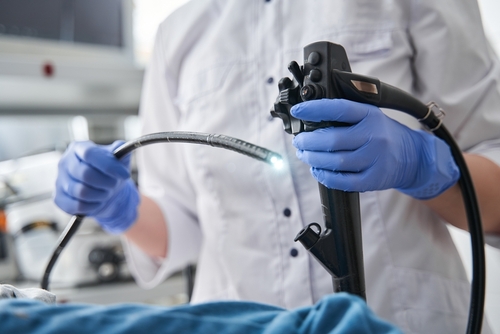
Olympus manufactures several types of reusable endoscopic devices used by healthcare providers to diagnose and treat conditions affecting the digestive system, pancreas, bile ducts, lungs, and other areas of the body. These devices may include:
- Olympus Duodenoscopes
- Olympus Endoscopes
- Olympus Bronchoscopes
- Olympus Colonoscopes
- Olympus Gastroscopes
Because these devices are reused, they must undergo extensive cleaning and high-level disinfection processes between procedures.
What Procedures Are Olympus Scopes Used For?
Olympus manufactures a variety of devices that help physicians diagnose, monitor, and treat conditions affecting the digestive system, respiratory system, pancreas, bile ducts, and other internal organs. These procedures are commonly performed in hospitals, outpatient centers, and specialty clinics. Olympus scopes may be used during procedures such as:
- Endoscopy (Upper GI Endoscopy) to examine the esophagus, stomach, and upper digestive tract
- Colonoscopy to inspect the colon and rectum for abnormalities, disease, or cancer
- ERCP (Endoscopic Retrograde Cholangiopancreatography) to diagnose and treat conditions involving the bile ducts, gallbladder, liver, and pancreas
- Bronchoscopy to evaluate the lungs and airways
- Gastroscopy to investigate digestive symptoms such as pain, bleeding, or difficulty swallowing
- Diagnostic and Therapeutic Procedures involving tissue sampling, stent placement, removal of blockages, and other minimally invasive treatments
Many of these procedures are routinely performed and can provide important diagnostic and treatment benefits. Because Olympus scopes are reusable medical devices, they must undergo thorough cleaning and high-level disinfection or sterilization between uses to help reduce the risk of infection transmission.
The Link Between Olympus Scopes and Serious Infections
According to the U.S. Food and Drug Administration (FDA), certain reusable endoscopes contain complex internal components that can make thorough cleaning and disinfection challenging. If tissue, fluids, or bacteria remain inside a device after cleaning, contamination may be transferred to another patient during a later procedure.
Concerns regarding contamination have been reported across multiple generations of reusable Olympus scopes, including models that underwent design modifications and updated cleaning protocols. Because Olympus provides the cleaning and disinfection instructions for its devices, healthcare facilities rely on those procedures when preparing scopes for reuse. Research has also suggested that delays in initiating the cleaning process may increase the risk that biological material remains within the device.
According to Olympus reprocessing guidance, cleaning and disinfecting reusable scopes may include:
- Immediate pre-cleaning following the procedure
- Leak testing to detect damage to the device
- Manual cleaning, brushing, and flushing of internal channels
- Visual inspection of the scope and its components
- High-level disinfection or sterilization
- Proper drying and storage before reuse
Despite these measures, the FDA has reported instances of contamination in certain reusable endoscopes even when recommended cleaning procedures were followed. The agency has noted contamination rates of approximately 4% to 6% in some older duodenoscope models, prompting ongoing safety reviews and device design changes.
Infections and Complications Associated with Olympus Scopes
Patients involved in the litigation have reported experiencing serious infections after undergoing procedures using Olympus scopes. Potential complications may include:
- Sepsis
- Bloodstream infections
- Drug-resistant bacterial infections
- Organ damage
- Extended hospitalization
- Additional medical procedures
- Long-term health complications
- Death
Many affected patients underwent procedures that were intended to improve their health, only to face unexpected and potentially life-threatening complications afterward.
Who May Be Eligible to Pursue an Olympus Scope Claim?
You may qualify to pursue a claim if:
- You underwent a procedure involving an Olympus scope, including an ERCP, endoscopy, bronchoscopy, or colonoscopy;
- You later developed a serious infection or infection-related complication; and
- The infection required additional treatment, hospitalization, or resulted in significant injury.
- Family members who lost a loved one following infection-related complications may also have legal rights.
How Do I Know if an Olympus Scope was Used During My Procedure?
To determine if an Olympus scope was used during your procedure, find your medical records from the hospital or clinic. Look at the procedure report, operative report, or anesthesia record. They list all the tools used during your visit. You can also contact the medical records department of the facility where your procedure was carried out to request an itemized list or the equipment’s serial number.
Why the Olympus Scope Litigation Matters
Medical device manufacturers have a responsibility to prioritize patient safety throughout the design, testing, manufacturing, and monitoring of their products.
The Olympus Scope Litigation seeks to provide answers for patients and families affected by serious infections while encouraging greater transparency, accountability, and safety within the medical device industry.
For many individuals, pursuing a claim is about more than compensation. It is also about understanding what happened and helping prevent similar injuries from occurring in the future.
How Much is an Olympus Scopes Lawsuit Worth?
The value of a claim varies significantly based on medical complications, financial losses, severity of injury, and other case-specific factors.
Potential damages may include:
- Medical expenses
- Hospitalization costs
- Future medical treatment
- Lost income
- Loss of earning capacity
- Pain and suffering
- Permanent injuries or disability
- Wrongful death damages
An attorney can evaluate your specific circumstances and explain what compensation may be available.
Why Choose Cohen Milstein?
Cohen Milstein represents individuals harmed by dangerous products, defective medical devices, environmental contamination, and corporate misconduct. Our attorneys have led complex litigation across the country and work with leading medical experts, scientists, and investigators to help clients seek justice against powerful corporations.
Contact an Olympus Scopes Litigation Attorney
If you or a loved one developed a serious infection, sepsis, or other complications following a procedure involving an Olympus endoscope, duodenoscope, bronchoscope, or related device, our mass tort attorneys can evaluate your potential claim.
Contact us today for a free and confidential consultation to learn more about your legal rights and whether you may qualify to participate in the Olympus Scopes litigation.